 English
 简体中文

Short answer: Once duty cycle exceeds 60%, the governing question changes from can it pull the load to can it reject the heat continuously. Use final drive oil below 80C, roller temperature rise below 55C and hydraulic oil below 85C as the thermal balance criteria, checked at the highest ambient temperature plus a 10C margin. In continuous duty, simply fitting a larger motor often makes things worse because flow and throttling losses rise with it.
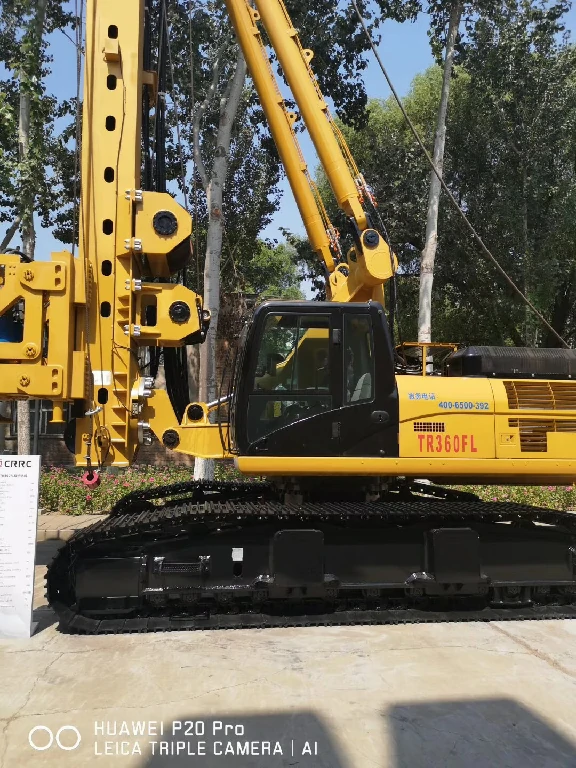
1. Defining duty cycle
Duty cycle is actual travel time divided by total cycle time. Excavators moving between dig positions typically run 20-35%; loaders shuttling material 40-60%; mobile crushers and continuous conveying equipment can exceed 80%. Many enquiries state only eight hours a day, but eight hours of stop-start work and eight hours of continuous travel are completely different thermal loads.
At enquiry stage, supply four items instead: cycle timing, longest continuous travel segment, ambient temperature, and whether travel is loaded. Those four determine the configuration more reliably than an extra tonnage figure.
2. Where the heat comes from
Three sources dominate: throttling and return losses in the hydraulic system, gear churning and mesh losses in the final drive, and friction at roller bearings and seal lips. All three accumulate with continuous travel, while heat rejection relies mostly on natural convection from housings, which is limited.
A common misdiagnosis is to blame a motor that is too small and increase displacement. Larger displacement raises system flow and throttling loss at the same time, producing excess low-speed torque and more heat - a classic case of making the problem worse.
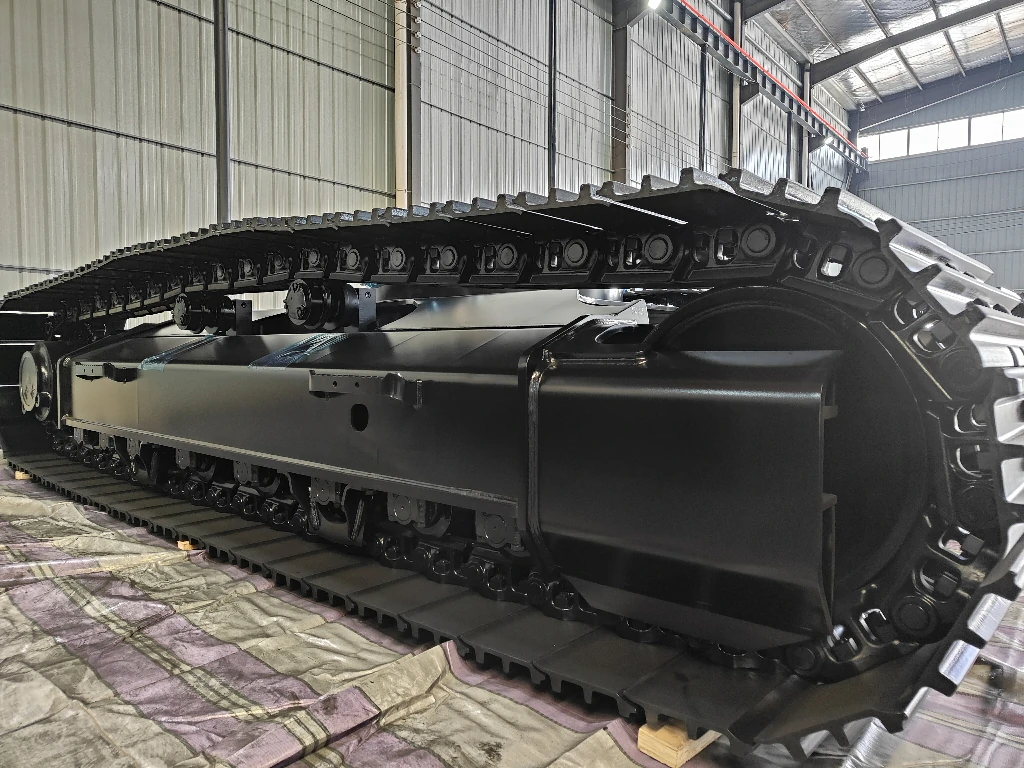
3. Configuration differences and cooling measures
Intermittent duty can be sized on peak torque and reduction ratio alone. Continuous duty additionally needs heat rejection area, the right oil viscosity grade, low-churning grease and a sensible travel speed band. Options include a larger reservoir or oil cooler, low-drag synthetic lubricant, keeping travel inside the design economy range, and leaving ventilation paths in the roller cavity structure.
Seal selection is duty-cycle dependent too. Multi-lip sealing keeps grit out but adds friction heat; in continuous high-speed work it must be balanced against cooling rather than chosen on protection rating alone.
4. Thermal balance validation and acceptance
On the prototype, run four hours at full load and log final drive oil temperature, roller bearing housing temperature, hydraulic oil temperature and ambient temperature as a curve. The criterion is not that it feels acceptable but that the rise reaches a plateau after about two hours. If the curve is still climbing at four hours, heat rejection is insufficient.
Acceptance documents should state ambient test temperature; otherwise the same data can support opposite conclusions in different seasons. We record ambient alongside every curve and quote the applicable upper limit with a 10C margin.
5. Duty Cycle vs Configuration
| Duty cycle | Typical machine | Governing check | Recommended build |
|---|---|---|---|
| 20% - 35% | Excavators, mobile plant | Peak torque / gradeability | Standard motor and ratio |
| 40% - 60% | Loaders, dumpers | Torque + temperature | Synthetic oil + temp log |
| 60% - 80% | Crushers, conveyors | Thermal balance | More cooling area + low-drag grease |
| Over 80% | Continuous process lines | Thermal balance + redundancy | Oil cooler + temperature monitoring |
Key takeaways
- Above 60% duty cycle, thermal balance replaces peak torque as the governing selection factor.
- Use final drive oil below 80C, roller rise below 55C and hydraulic oil below 85C as criteria.
- Upsizing motor displacement in continuous duty raises flow and throttling loss, increasing heat.
- Validate with a four-hour temperature curve that reaches a plateau, and record ambient temperature.
Further reading
Selection Guide · Products · Technical Support · Applications
Prepared by the MAGEON engineering team from custom project records and factory load-test data. Figures are engineering references; final selection should follow approved drawings and the actual duty spectrum.