 English
 简体中文

Short answer: Coastal terminals are ISO 12944 class C5-M, where a standard C3-coated chassis shows first rust in 8 to 11 months. This 12-unit upgrade - C5-M coating system, stainless hydraulic lines, duplex seals and insulated fasteners - measured after 36 months: 0.8 percent red-rust area, fastener replacement down 78 percent, and roller seal failures cut from 2.3 to 0.4 per machine-year.
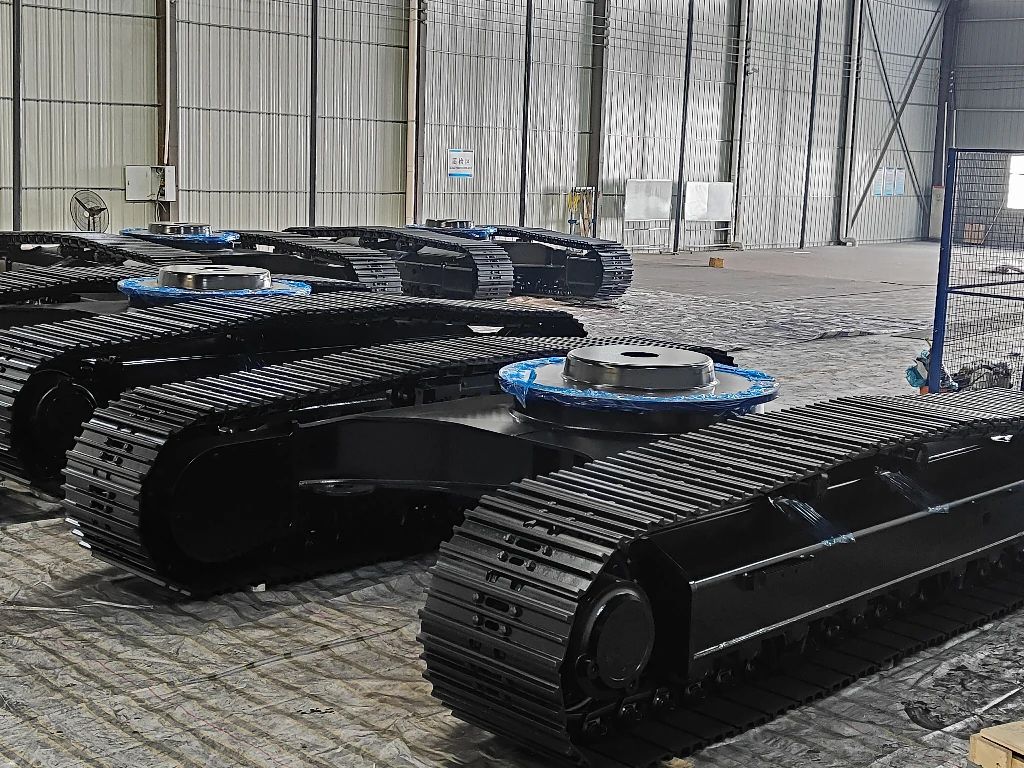
1. Three corrosion channels at work
Chloride attack is pitting, not uniform thinning: one coating holiday in salt fog can eat a third of a 6 mm plate in half a year - a structural issue, not cosmetic. The second channel is galvanic: stainless fasteners in carbon-steel holes concentrate the corrosion current on the hole wall in chloride service, often faster than plain carbon fasteners. The third is crevice corrosion - poorly sealed cavities and lap joints form oxygen-concentration cells you cannot see until the bearing has already failed.
These channels dictate a three-layer response - coating, material, sealing - upgraded together. A coating-only upgrade leaves cavity failure counts unchanged; swapping fasteners without breaking the galvanic pair accelerates hole-wall attack.
2. The coating and material upgrade list
Coating per ISO 12944-9: Sa 2.5 blast, 80 microns zinc-rich epoxy primer, 200 microns epoxy micaceous intermediate, 80 microns polyurethane top - 360 microns total, plus a 120 micron stripe coat on all welds and edges, because edges rust first. Fasteners: 10.9 class with dacromet coating and insulating washers under head and nut to break the galvanic circuit.
Hydraulic lines changed to 316L stainless with cone-seal fittings, eliminating weeping joints that keep surfaces permanently wet. Roller cavities upgraded to a duplex lip plus labyrinth seal, and the regrease interval shortened from 250 to 150 hours - chloride attack on soap-thickener structure runs about twice as fast as inland duty, a figure reverse-engineered from three years of terminal data rather than assumed.
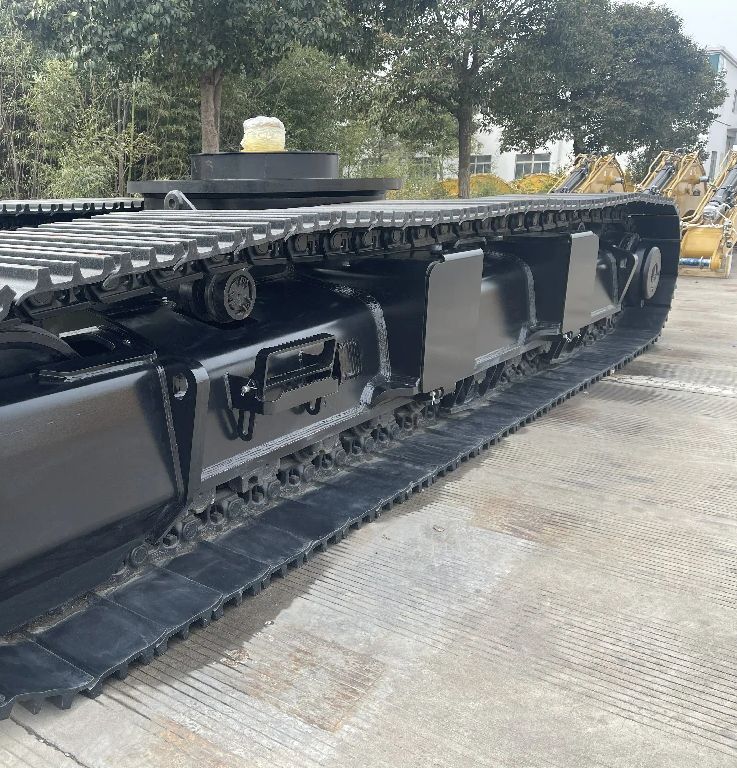
3. Measured results at 36 months
Coating condition per ASTM D610: 0.8 percent rust area (rating 8), against 31 percent for a C3-coated comparison brand on the same terminal. Fastener annual replacement fell from 4.7 to 1.0 percent. The headline number is cavities: seal failures dropped from 2.3 to 0.4 per machine-year, worth about 9 downtime hours and one cavity rebuild avoided per machine per year.
Cost side: the C5-M system added about 6 percent to chassis cost, stainless piping another 3 percent. Against three years of maintenance and downtime, the increment paid back in 14 months. That is the case's most useful conclusion - corrosion protection is an investment with a measurable payback, not a compliance expense.
4. Execution points worth copying
Three habits transfer directly. Stripe-coat every edge and weld - a passing flat-area thickness reading says nothing about edges, so inspect edge film separately. Insulating washers are the cheapest galvanic fix, but they must seat in the right orientation - put photos in the work instruction. And the shortened cavity greasing interval must live in the customer's checklist; run inland intervals in a marine environment and the seals will fail on schedule.
5. Upgrade items and 36-month results
| Item | Original | Upgraded | 36-month result |
|---|---|---|---|
| Coating system | C3 (240 um) | C5-M (360 um + stripe coat) | 0.8% rust area |
| Fasteners | Galvanized 8.8 | Dacromet 10.9 + insulated washers | 1.0% annual replacement |
| Hydraulic lines | Carbon steel, crimped | 316L stainless, cone seal | Zero joint weeping |
| Roller seals | Single lip | Duplex lip + labyrinth | 0.4 failures per machine-year |
Key takeaways
- Coastal terminals are C5-M: C3-coated chassis shows first rust within 8 to 11 months.
- Upgrade coating, materials and seals together - a coating-only package leaves cavity failures unchanged.
- 36-month data: 0.8 percent rust area, fastener replacement down 78 percent, cavity failures 2.3 to 0.4 per year.
- About 9 percent added cost, paid back in 14 months - corrosion protection is an investment with a payback period.
Further reading
MG2500B 25-Ton Steel Track Undercarriage · Rubber-Pad Steel Track Undercarriage · Case studies column
Prepared by the MAGEON engineering team from custom project records and factory load-test data. Figures are engineering references; final selection should follow approved drawings and the actual duty spectrum.