 English
 简体中文

Short answer: A standard crawler undercarriage tolerates short water crossings, with depth limited to roughly the track roller centre - usually 300-400 mm - followed by immediate draining and regreasing. Continuous mud, paddy or riverbank duty requires labyrinth plus dual-lip seals, water-resistant grease and a removable drain at the lowest frame point. Water alone is not the killer; abrasive slurry trapped in the roller cavity grinding the bearing is what ends service life.
1. Where the water actually gets in
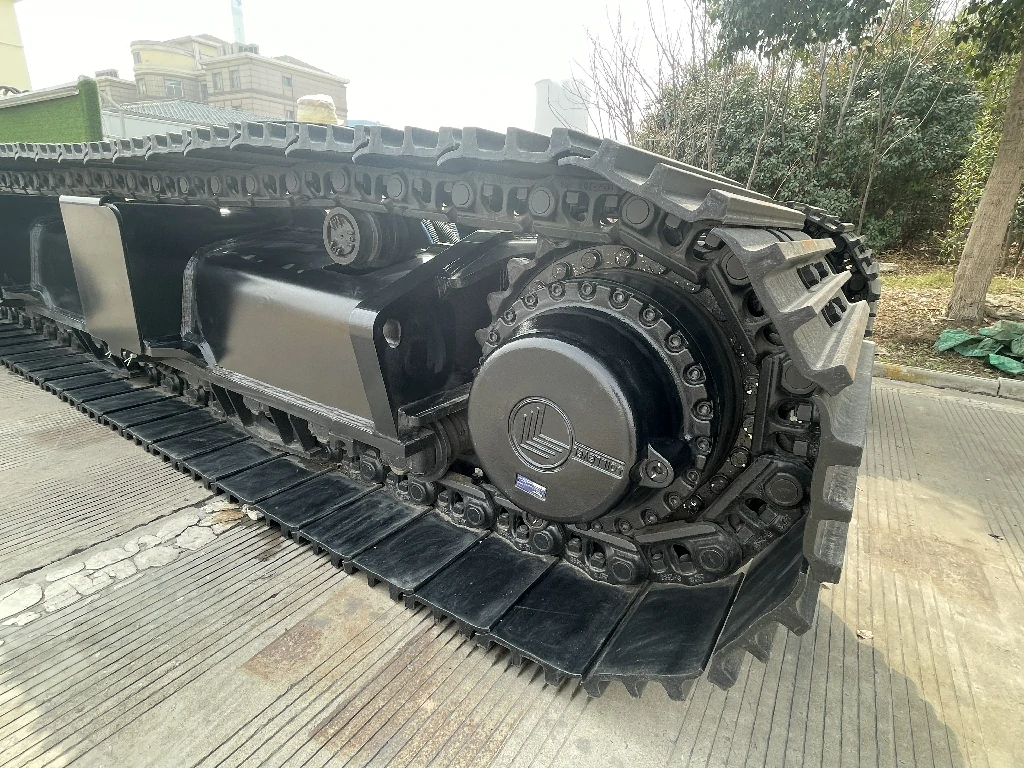
Ingress concentrates at three places: rotating lip seals on track rollers and sprockets, the reciprocating seal on the tensioner rod, and bolt holes at the final drive to frame interface. Static immersion is slow to flood a cavity. What accelerates it is the breathing effect during travel - a warm loaded roller cavity hits cold water, contracts and draws slurry through microscopic lip gaps.
That is why a static waterproof test on the bench tells you very little. A meaningful evaluation repeats a loaded run, a wading segment and a further run on dry ground, then opens the roller cavity to inspect grease condition.
2. Choosing a seal tier
Dry earthmoving and paved municipal work are fine with a standard single-lip dust seal. Intermittent wading after rain or shallow ditch crossing calls for a dual-lip seal plus a labyrinth grit deflector. Permanent paddy, marsh or riverbank duty needs dual lips, a labyrinth, a stainless dust cover and the final drive breather relocated to a high point on the frame.
More sealing is not automatically better. Multiple lips add churning drag and heat, which shortens grease life in dry high-speed duty. Select on water content and grit load of the working surface, not on a marketing claim of being fully sealed.
3. Grease and material compatibility
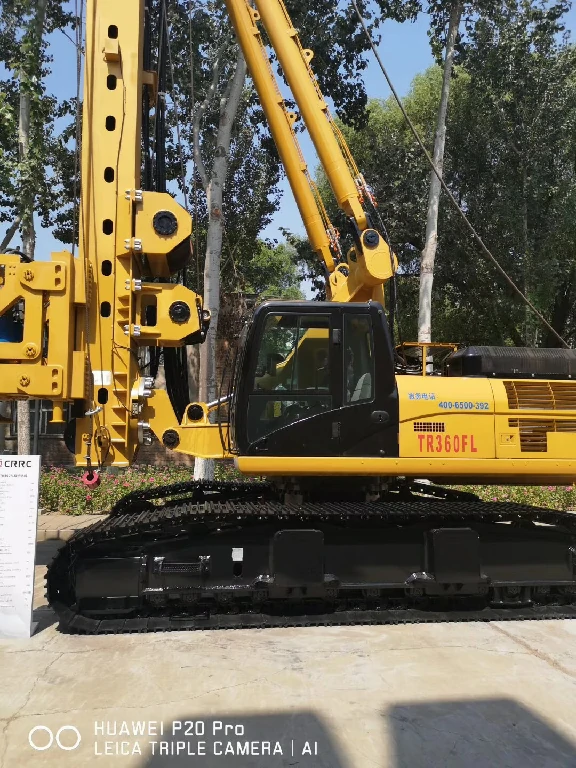
For wet duty choose a water-washout resistant EP grease, typically NLGI 2 lithium complex or polyurea with a dropping point above 180C, and shorten the regrease interval to 100 operating hours. Ordinary calcium grease emulsifies and washes out once water enters the cavity. NBR is adequate for ambient-temperature mud; for cold wet duty, hydrolysis-resistant polyurethane or low-temperature NBR is safer.
Specify dacromet or zinc-nickel plating on fasteners and the tensioner rod, and add sand drain holes with removable plugs in the frame cavity. These are low-cost details, but they decide whether the cavity is clean or packed with grit at the three-month inspection.
4. Post-wading inspection checklist
Park on level ground, open the lowest drain plug and let the cavity empty. Check every roller for rough rotation, look for whitish emulsified grease, inspect the tensioner rod for corrosion, then recheck track tension and roller temperature rise within 50 hours. One roller running clearly hotter than the rest usually means that side has taken water and the bearing is already wearing.
Log wading duration, depth and inspection findings. In slurry duty, seals are planned consumables: replacing them on a duty-based interval costs far less downtime than waiting for a failure.
5. Wading Class and Specification
| Duty class | Typical depth | Seal specification | Grease / check interval |
|---|---|---|---|
| Dry earth / municipal | No standing water | Single-lip dust seal | 250 h |
| Intermittent wading | Up to 300 mm | Dual lip + labyrinth deflector | 150 h |
| Regular mud / paddy | 300-400 mm | Dual lip + labyrinth + dust cover | 100 h |
| Riverbank / marsh | Over 400 mm or continuous | Dual lip + labyrinth + high breather + drain | Drain after every shift |
Key takeaways
- Standard chassis tolerate short wading to roller centre height, roughly 300-400 mm; deeper duty needs an upgraded seal package.
- The breathing effect during running drives ingress; trapped abrasive slurry, not clean water, destroys bearings.
- Use water-resistant NLGI 2 EP grease and shorten regreasing to 100 hours in slurry.
- Always drain, check for emulsified grease and one-sided temperature rise, and keep a wading log.
Further reading
Maintenance Knowledge · Rubber Crawler Undercarriage · FAQ · Applications
Prepared by the MAGEON engineering team from custom project records and factory load-test data. Figures are engineering references; final selection should follow approved drawings and the actual duty spectrum.