 English
 简体中文

Short answer: Almost every final-drive failure lands in one of four places: gear-tooth pitting, planet-carrier bearing cages, floating face seals, or output spline deformation. Diagnose oil first, then noise under load, then backlash. Replacement limits are quantifiable: replace gear sets when a single tooth shows more than 25 percent pitting or any root crack, replace seals whenever the drive is opened, and replace the output shaft when spline backlash exceeds 0.4 mm.
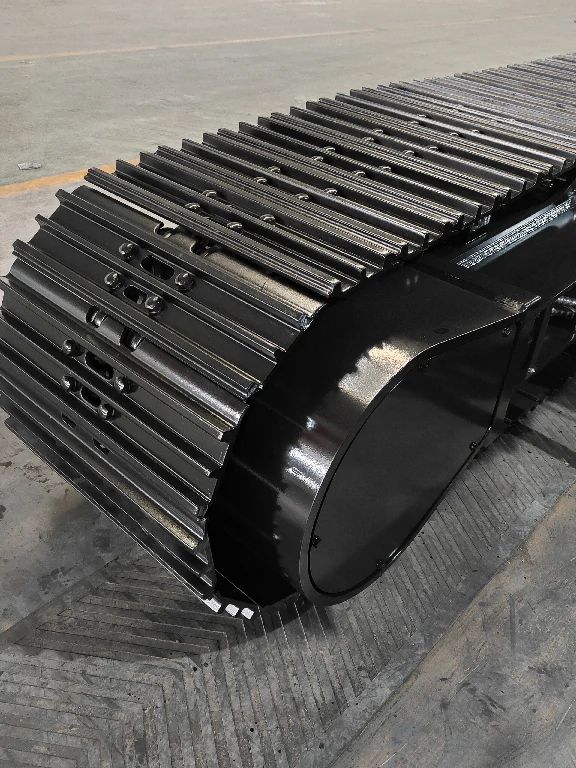
1. Four failure modes and how they start
Surface pitting begins when contact stress exceeds the fatigue limit of the tooth flank, typically after long full-load climbing or repeated shock stops. Once a pit spalls, the pit edge becomes a stress raiser and the flank can deteriorate across its full width within two months. Planet-carrier bearing failures track radial shock - a foreign object jamming the track sends the impact straight into the carrier, and the cage rivets are the first thing to go.
Floating face seals are the lifetime bottleneck. They seal by compressing O-rings that press two metal faces together; once the O-rings lose more than about 30 percent of their compression set, or the faces are scratched, seal pressure can no longer hold cavity oil pressure. Output spline deformation has a nearly single cause history: loose sprocket bolts. When the sprocket stops seating flush against the shaft shoulder, impact loads transfer entirely to the spline flanks.
2. Field diagnosis: oil first, then load noise, then backlash
Pull a small oil sample first. Milky oil means water ingress and a failed seal; grey shimmer means steel wear; bronze tint points to cage or bushing wear. Metal accumulation on the drain-plug magnet is a trend number - log it every service and treat any doubling as an alarm. Then listen twice: noise in unloaded travel points to bearings, noise that appears only under load or on climbs points to tooth contact.
Two static measurements finish the picture. Spline backlash: indicator on the sprocket tooth, new-build around 0.15-0.25 mm, replace the shaft beyond 0.4 mm. Total rotational play: lever against the sprocket, beyond 1.5 mm the tooth clearances are out of spec. Those two numbers plus the oil verdict are enough to decide component repair versus full replacement.
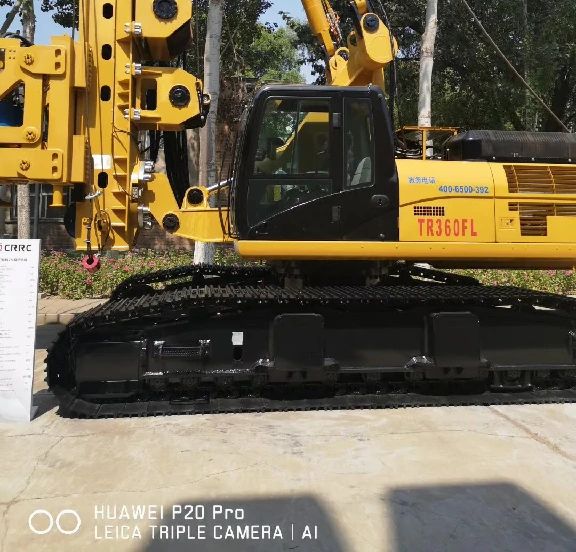
3. Quantified replacement criteria
Gear rims and planets: replace when a single flank shows more than 25 percent pitted area, any root crack regardless of length, or more than 2 percent tooth-thickness loss. Grinding repairs are not accepted. Planet-carrier bearings: replace on any cage crack or loose rivet; light race pitting may be tracked with a note. Floating seals: replace every time the drive is opened - the kit cost is trivial against a second teardown.
Output splines: replace beyond 0.4 mm backlash or visible brinelling. If the sprocket bolts have ever been found loose, put the spline on a watch list even when backlash is in spec. Decision rule: when two or more of the four items hit their limit, replace the complete final drive - the teardown labor gets amortized once instead of twice.
4. Three process points that extend life
Tighten sprocket bolts crosswise in two passes with a calibrated wrench, mark them, and recheck every 250 hours - the single most effective action protecting the spline. Change gear oil at most every 1000 hours or annually, GL-5 85W-140 or the manual's specified grade, oil level set at the lower check plug, not filled up. Manage motor case-drain routing so the drain line stays below tank level, preventing shaft-seal blowout from backpressure.
None of these are expensive. Done consistently they add 30-50 percent effective life and usually save one full drive replacement over machine life.
5. Failure locations and replacement limits
| Location | Typical failure | Field criterion | Action |
|---|---|---|---|
| Ring gear / planets | Pitting, spalling, root cracks | >25% flank area or any crack | Replace, no repair |
| Planet-carrier bearing | Cage fracture, race pitting | Crack or loose rivets | Replace |
| Floating seal | Pressure loss, emulsified oil | Replace at every opening | Replace seal kit |
| Output spline | Brinelling, backlash growth | Backlash >0.4 mm | Replace shaft |
Key takeaways
- Failures concentrate in gear pitting, carrier bearings, floating seals and spline damage; diagnose oil - load noise - backlash.
- Quantified limits: over 25 percent pitting or any root crack, replace gears; over 0.4 mm spline backlash, replace the shaft; seals replaced at every opening.
- Two or more items at their limit means replace the complete drive - one teardown, one labor bill.
- Crosswise two-pass sprocket bolt torque plus a 250-hour recheck is the highest-value single habit for spline life.
Further reading
MG10000B 110-Ton Steel Track Undercarriage · MG500B 6-Ton Steel Track Undercarriage · Technical column
Prepared by the MAGEON engineering team from custom project records and factory load-test data. Figures are engineering references; final selection should follow approved drawings and the actual duty spectrum.