 English
 简体中文

Short answer: In November 2026 MAGEON passed ISO 3834-2 comprehensive welding quality requirements certification, covering every arc-welding operation on chassis frames and load-bearing structures. In practical terms: from December 2026 deliveries, load-bearing frame welds default to ISO 5817 class B acceptance, and every critical weld can be traced by serial number to its welder code, filler lot and WPS parameters.
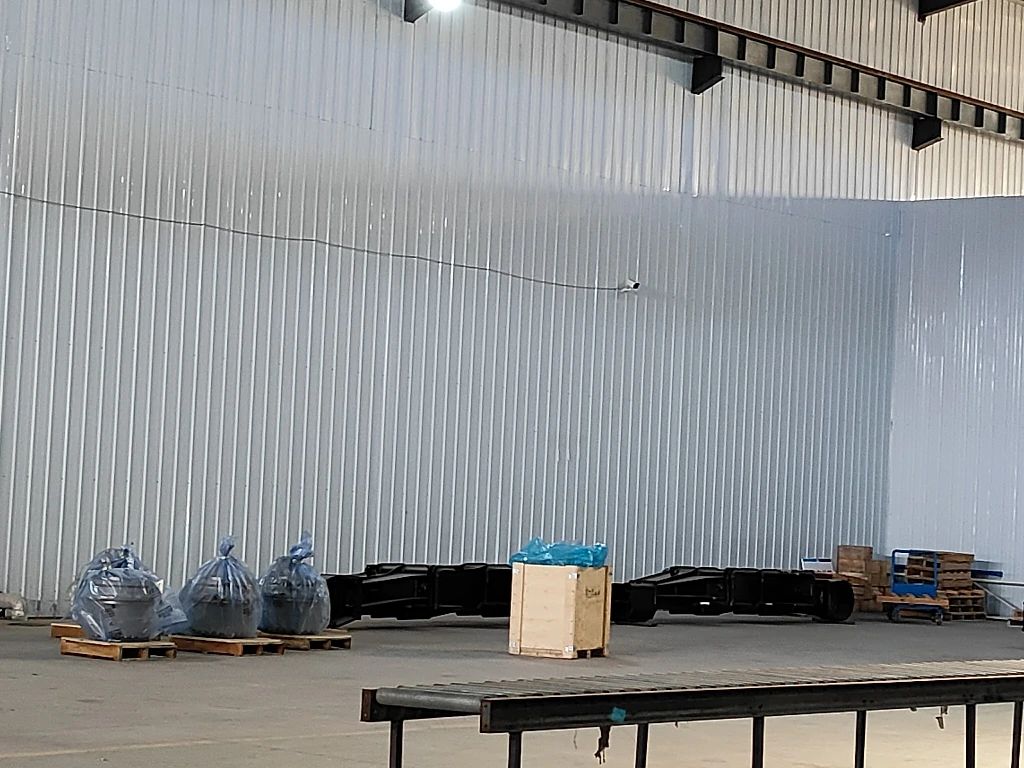
1. What ISO 3834-2 adds over ordinary shop practice
ISO 3834 has three levels; 3834-2 is the top comprehensive-requirements tier. It turns welding from a shop operation into a controlled process: every procedure backed by a PQR, every WPS issued by a qualified welding engineer (IWE/IWT), every welder qualified for the exact position, and filler material traceable from purchasing through drying and issue to use. Most shops hold two or three of these items - the missing ones are exactly where weld quality drifts.
The audit findings that trip most candidates are two: baking and holding records for low-hydrogen consumables (moist flux coating means hydrogen cracking), and re-weld limits (the same joint repaired more than twice requires re-qualification). Both are hard stops in MAGEON's system files.
2. What changes on the product and in delivery
Acceptance level: frame primary welds previously shipped at class C with critical welds upgraded on request; the three load-bearing groups - roller seats, tension-cylinder brackets and slewing-ring flanges - now default to class B, with tighter reinforcement and transition requirements. NDT coverage is unchanged (VT 100 percent, MT 100 percent on critical welds, UT sampling on thick sections), but MT records move from batch filing to per-unit filing.
Traceability is the second change. Each chassis serial number now links to weld-level records - which weld, which welder, which filler lot, which WPS. When an OEM audits the supplier or a field crack needs root-cause work, the full process record comes out by serial number in days rather than weeks.
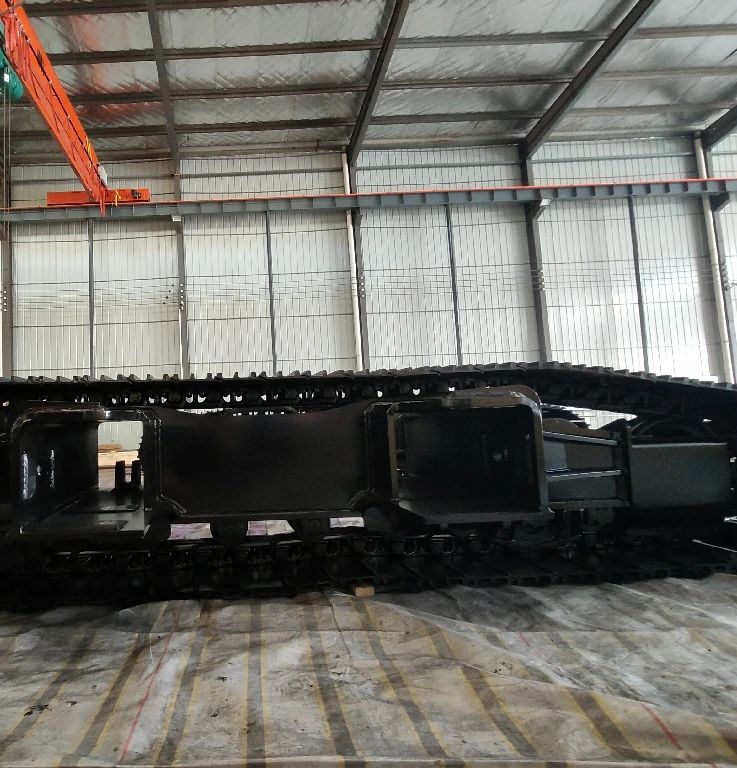
3. Three daily control points beyond the certificate
First, the filler store runs a closed loop - bake, heated quiver, use - and low-hydrogen electrodes returning after four hours in the quiver are re-baked and logged. Second, welder qualification coverage is reviewed quarterly, and any new plate thickness or position triggers an additional procedure qualification before production. Third, the first part of every production run gets a macro-section to confirm penetration depth matches the WPS before the batch proceeds.
None of the three is a certificate requirement in its own right, but together they decide how close delivered welds sit to the certificate. MAGEON audits them internally every six months.
4. Next steps
EN 1090-2 (structural steel, EXEC class) is planned for the first half of 2027 so chassis delivered into European OEM programs satisfy CE structural documentation directly. In parallel, MAGEON is opening weld witness points (W) and hold points (H) for customer surveillance by contract - OEMs are welcome to define a witness plan at order stage.
5. What the certification changes in delivery
| Dimension | Before | From December 2026 |
|---|---|---|
| Load-bearing weld acceptance | ISO 5817 class C | Class B by default |
| Welding personnel | Qualified operators | Qualified + quarterly coverage review |
| Filler traceability | Batch sampling | Lot-level end-to-end |
| Weld records | Batch filing | Weld-level per-unit filing, serial-number lookup |
Key takeaways
- ISO 3834-2 is the top welding-system tier: procedure qualification, personnel, inspection and traceability in one system.
- From December 2026, the three load-bearing weld groups on delivered chassis default to ISO 5817 class B.
- Chassis serial numbers now resolve weld-level records - OEM audits and root-cause work run in days, not weeks.
- EN 1090-2 planned for H1 2027 to serve CE documentation for European programs.
Further reading
Steel Track Undercarriage System 1-60 Tons · MG300B 3-4 Ton Steel Track Undercarriage · Company news column
Prepared by the MAGEON engineering team from custom project records and factory load-test data. Figures are engineering references; final selection should follow approved drawings and the actual duty spectrum.